Essential Wilderness Medical Support for Challenging Environments

Updated: 4 hours ago
Wilderness adventures can be exhilarating, but they also come with inherent risks. Whether you're trekking through dense forests, scaling mountains, or navigating remote areas, having the right medical support is crucial. In challenging environments, injuries and illnesses can occur far from immediate help, making it essential to be prepared. This blog post will explore the key aspects of wilderness medical support, ensuring you are equipped to handle emergencies effectively.
Understanding Wilderness Medical Support
Wilderness medical support encompasses a range of skills and resources designed to address health issues in remote locations. Unlike traditional medical care, which is readily available in urban settings, wilderness medicine requires a unique approach due to the lack of immediate access to healthcare facilities.
The Importance of Wilderness Medical Training
Training in wilderness medicine is vital for anyone who spends time in remote areas. This training equips individuals with the skills to assess and manage medical emergencies effectively. Courses often cover topics such as:
Basic first aid: Understanding how to treat common injuries like cuts, sprains, and fractures.
Wilderness-specific scenarios: Learning how to handle altitude sickness, hypothermia, and heat-related illnesses.
Evacuation techniques: Knowing how to safely transport an injured person to a medical facility.
Essential Skills for Wilderness Medical Support
When venturing into the wild, certain skills can be lifesaving. Here are some essential skills to consider:
Patient assessment: Being able to evaluate the condition of an injured person quickly.
Wound care: Knowing how to clean and dress wounds to prevent infection.
CPR and first aid: Basic life-saving techniques that can make a significant difference in emergencies.
Navigation and communication: Understanding how to find your way and communicate with emergency services if needed.
Building a Comprehensive Wilderness Medical Kit
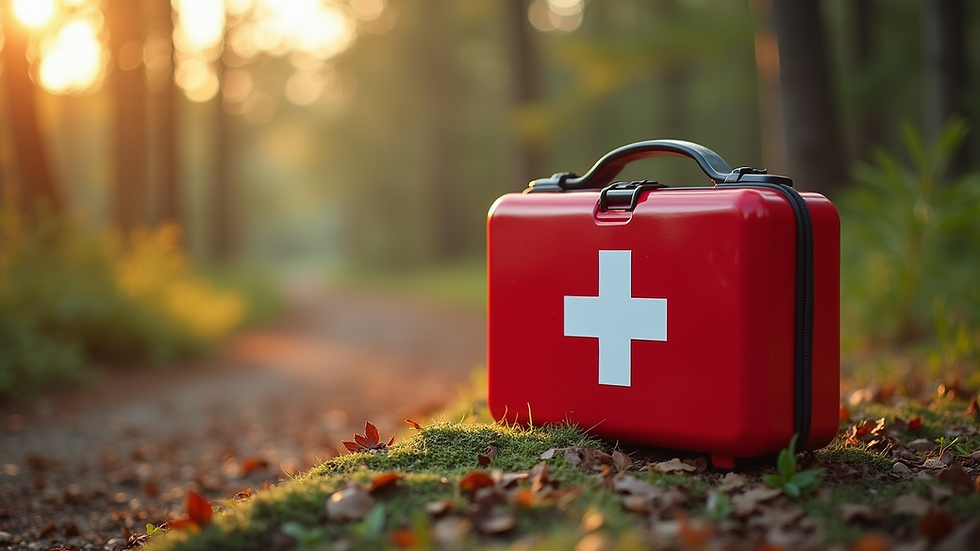
A well-stocked wilderness medical kit is a cornerstone of effective medical support. Here’s how to build one tailored to your needs:
Key Components of a Wilderness Medical Kit
First Aid Supplies: Include adhesive bandages, gauze pads, antiseptic wipes, and adhesive tape.
Medications: Carry pain relievers, antihistamines, and any personal medications.
Emergency Gear: A whistle, flashlight, and multi-tool can be invaluable.
Splinting Materials: Use items like SAM splints or triangular bandages for immobilizing injuries.
Thermal Blankets: These can help prevent hypothermia in cold conditions.
Customizing Your Kit
Your wilderness medical kit should reflect the specific environment and activities you plan to undertake. For example, if you’re hiking in a remote area known for ticks, include tick removal tools and Lyme disease prevention measures.
Preparing for Specific Wilderness Scenarios
Different environments pose unique challenges. Here’s how to prepare for some common wilderness scenarios:
High Altitude Environments
In high-altitude areas, the risk of altitude sickness increases. Symptoms can include headaches, nausea, and dizziness. To prepare:
Acclimatize: Gradually ascend to higher altitudes to allow your body to adjust.
Stay Hydrated: Drink plenty of water to help combat altitude effects.
Know the Signs: Be aware of the symptoms of altitude sickness and how to respond.
Cold Weather Conditions
Cold environments can lead to hypothermia and frostbite. To mitigate these risks:
Dress in Layers: Use moisture-wicking base layers, insulating mid-layers, and waterproof outer layers.
Monitor Body Temperature: Regularly check for signs of hypothermia, such as shivering and confusion.
Stay Dry: Keep clothing and gear dry to prevent heat loss.
Hot Weather Conditions
In hot environments, heat exhaustion and heat stroke are significant risks. To prepare:
Stay Hydrated: Drink water regularly, even if you don’t feel thirsty.
Take Breaks: Rest in shaded areas to cool down.
Recognize Symptoms: Be aware of signs of heat-related illnesses, such as dizziness and rapid heartbeat.
Emergency Response Planning
Having a plan in place for emergencies can save lives. Here’s how to create an effective emergency response plan:
Establish Communication Protocols
Cell Phones: Know the coverage areas and have backup communication methods.
Satellite Phones or Radios: Consider these for remote areas where cell service is unavailable.
Create an Evacuation Plan
Identify Routes: Know the quickest routes to medical facilities.
Designate Roles: Assign specific roles to group members in case of an emergency.
Practice Scenarios
Conduct drills to ensure everyone knows their roles and the steps to take in an emergency. This practice can build confidence and improve response times.
Conclusion
Wilderness medical support is essential for anyone venturing into challenging environments. By understanding the unique risks, building a comprehensive medical kit, and preparing for specific scenarios, you can enhance your safety and the safety of those around you. Remember, being prepared is not just about having the right supplies; it’s about having the knowledge and skills to use them effectively. Equip yourself with the tools and training necessary to handle emergencies, and enjoy your wilderness adventures with confidence.
Comments